





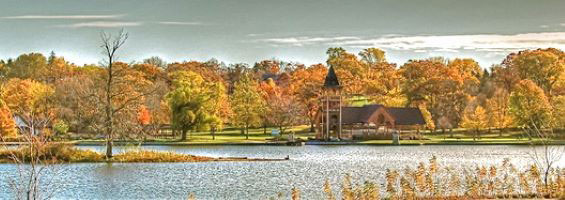
St. Charles Park District, Pottawatomie Park, Image Courtesy of The Conservation Foundation
When most people think of parks, they picture green lawns, hiking trails, or family picnics under shady trees. More than just places for recreation, parks are powerful tools for protecting our planet’s natural resources. From preserving biodiversity to safeguarding watersheds, parks play a central role in both land and water conservation.
The Hidden Value of Green Spaces
Parks are often referred to as the “lungs” of our communities. They provide clean air, reduce urban heat, and offer natural beauty. But behind the scenes, these green spaces are hard at work performing essential ecological services.
1. Parks Preserve Critical Land
Many parks are created to protect unique or threatened landscapes. Whether it’s wetlands, forests or prairies, designated parklands prevent overdevelopment, deforestation, and soil erosion. By maintaining healthy root systems and vegetative cover, parks stabilize the soil, prevent runoff, and enhance land conservation.
In rapidly urbanizing regions, parks also serve as buffers against urban and suburban sprawl. They protect agricultural lands and natural ecosystems from being paved over or fragmented.
2. Parks Protect Water Quality
Water conservation starts with clean sources, and parks often sit atop essential watersheds. Forested parks, for example, act like giant sponges: absorbing rainwater, filtering pollutants, and replenishing underground aquifers. Wetlands within parklands help trap sediments and remove harmful nutrients before water reaches lakes, rivers, and drinking supplies.
When rain falls on a city, it typically rushes off rooftops and pavement, carrying oil, trash, and chemicals into storm drains. But when rain lands in a park, it soaks into the ground, naturally filtering and slowing water flow, ultimately reducing the risk of floods and improving water quality.

3. Parks Foster Biodiversity and Resilience
Biodiversity is vital for the resilience of both land and water ecosystems. Parks offer habitats for native plants and animals, many of which depend on specific soil or water conditions. Healthy, biodiverse landscapes are more resistant to drought, pests, and climate extremes.
By acting as conservation hubs, parks can also connect fragmented habitats, allowing species to migrate, adapt, and survive in the face of a changing climate.
The Role of Urban Parks in Conservation
Even small city parks contribute to conservation goals. Community green spaces:
- Reduce heat islands and energy use
- Support native gardens that require less water
- Educate the public about sustainable practices
- Serve as demonstration sites for water-saving techniques like rain gardens or bioswales (a bioswale is a shallow, vegetated channel designed to manage stormwater runoff by filtering pollutants and allowing water to soak into the ground)
- Potentially contribute to a reduction in crime, which is often attributed to a combination of factors, including increased social interaction, improved mental health, and enhanced community surveillance
In many cities, innovative park designs incorporate green infrastructure that benefits both people and the environment.
We at The Conservation Foundation are honored to have received the Forestry Outreach Award from the Chicago Region Trees Initiative (CRTI) for “efforts in preserving and restoring land, coordinating the Conservation@Home program in Northeast Illinois, and for considerable work on oak tree establishment and private landowner outreach in the Big Rock Creek watershed.”
The CRTI Urban Forestry Awards, presented at the organization’s fifth annual Partner Recognition Celebration, recognize people, public and private organizations, and communities that are leaders in protecting, expanding and enhancing the tree canopy in the Chicago Region.
How You Can Support Parks and Conservation
- Visit responsibly: Stick to trails, pack out your trash, and respect wildlife.
- Volunteer: Join park cleanups or habitat restoration efforts. For example, The Conservation Foundation has its annual River Sweep, a self-coordinated stream cleanup held each spring throughout DuPage County and parts of Will County along the DuPage River. The purpose of the one-day event is to encourage volunteer groups to help “sweep our rivers clean” by picking up debris in and along local waterways.
- Educate others: Share the benefits of parks for water and land conservation.
- Advocate: Support local and national policies that fund park creation and land preservation. Work on ballot measures to support local parks and forest preserves.

Social Media Graphic From Campaign to Pass the Forest Preserve District of DuPage County Referendum, November 2024
Conclusion
Parks are living, breathing landscapes that sustain life beyond being places of beauty and recreation. Protecting and expanding these spaces is one of the smartest, most cost-effective ways we can safeguard our environment. As climate change and development pressures grow, investing in parks is investing in the future of land and water conservation.
Ready to fight for land and water conservation by supporting your local parks? Well, those kinds of efforts are what The Conservation Foundation does every day. We can all do more together than we can alone. Join our collective momentum – become a member today!
By Steve Stawarz, Oak Brook
DuPage County Advisory Council Member