




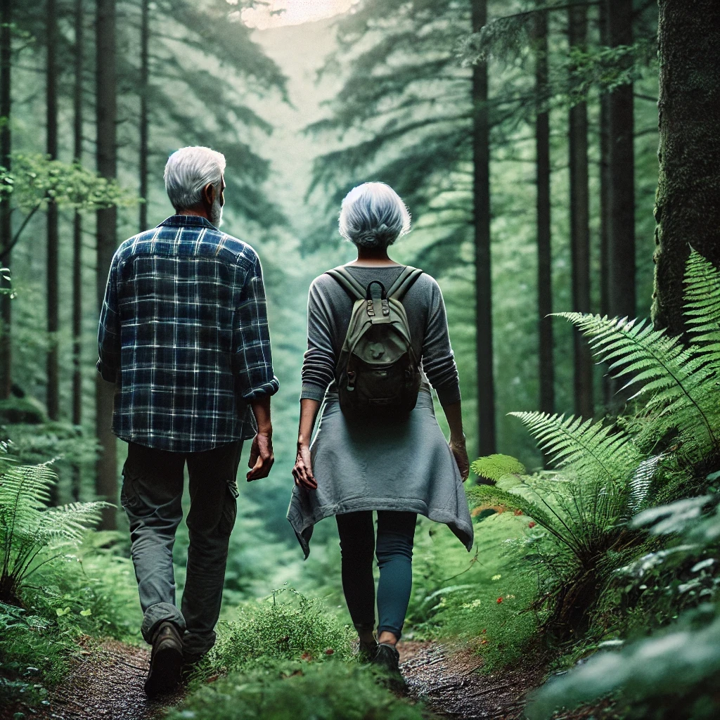
Image Generated by ChatGPT
Exploring the powerful link between environmental health and personal well-being
As we age, our focus often shifts from expansion to preservation — of our wealth, health, our time, and our planet. Surprisingly, these two goals are deeply connected. Conservation isn’t just about protecting land and water; it’s also about creating environments where people — especially older adults like me — can thrive and perhaps create a legacy.
In this post, we explore how environmental conservation and healthy aging go together, offering physical, mental, and community-level benefits that enrich our later years.
Environmental Conservation: A Foundation for Lifelong Health
When we protect nature, we’re not just saving ecosystems — we’re safeguarding the systems that sustain human life. This directly affects aging in the following ways:
- Clean Water and Air Extend Lifespans: Pollution accelerates chronic illness and cognitive decline. Conservation efforts that protect watersheds, wetlands, and air quality reduce exposure to harmful toxins, benefiting everyone — especially seniors with compromised immune systems.
- Access to Nature Reduces Stress and Boosts Mobility: Numerous studies show that regular time in green spaces lowers cortisol (stress hormone) levels, improves mobility, and reduces loneliness in older adults. Urban conservation projects that add parks, trails, and trees help people age actively and peacefully. The Conservation Foundation’s Nature Rx program strives to educate the community and promote the efforts of healthcare facilities, park districts, and forest preserves to engage people with the outdoors and the other living beings that share the places we call home. Through workshops, media, engagement activities, and educational materials, we are educating people about forest bathing and the physical and mental health benefits of getting out into nature, and exploring the endless ways a connection to nature improves our quality of life.
- Climate Resilience for Vulnerable Populations: Older adults are among the most at-risk during extreme weather events — heatwaves, floods, and winter storms. Conservation strategies that restore wetlands, manage stormwater, and cool cities with tree canopies help protect aging populations.
Personal Conservation: Preserving Energy, Health, and Purpose
The concept of conservation also applies to our personal lives. As we age, the way we use and preserve our own resources — physical, mental, and emotional — shapes the aging process.
- Cognitive Conservation Through Lifelong Learning: Staying engaged in conservation efforts — like gardening, birdwatching, or community clean-ups — keeps the mind sharp and promotes neuroplasticity. Nature-based volunteering is also linked to lower rates of depression and cognitive decline.

- Physical Activity in Green Spaces: Low-impact activities like walking, tai chi, or hiking in natural environments support muscle strength, balance, and cardiovascular health, key components of aging well. The Conservation Foundation coordinates the Take a Hike! Challenge, which encourages folks of all ages to exercise in the fresh air and learn cool stuff about nature while bonding with family and friends. Get details about the Take A Hike! Challenge and sign up for notifications for the 2025 challenge here!
- Environmental Stewardship and a Sense of Purpose: Many older adults find renewed meaning by giving back to the planet. Whether through mentoring, advocacy, donating money or land, working on local conservation ballot measures, or volunteering, participating in conservation connects people with something bigger than themselves — a proven ingredient in longevity and life satisfaction.
A Generational Perspective
Healthy aging and conservation share a common ethos: leaving the world better than we found it. By investing in the protection of natural systems, we’re not only ensuring the planet’s future — we’re nurturing our own present well-being as well as that for future generations. A true legacy, indeed!
And by encouraging older adults to take part in conservation, we tap into a powerful force of wisdom, energy, and lived experience. It’s a win-win for people and the planet.
Final Thoughts
As the global population ages and environmental challenges mount, the intersection of healthy aging and conservation is more important than ever. Let’s recognize conservation not only for preserving ecosystems, but as a vital part of preserving our own vitality and dignity across a lifetime.
Ready to contribute to conservation efforts that help provide health benefits for folks of all ages? Well, conservation is what The Conservation Foundation does every day. We can all do more together than we can alone. Join our collective momentum – become a member today!
Feel free to comment on this blog with additional ideas you have on how conservation contributes to healthy aging.
By Steve Stawarz, Oak Brook
DuPage County Advisory Council Member