





Native plants have deep roots that soak up rainwater, recharging groundwater resources and reducing stormwater runoff. At the same time, native plants help to filter out pollutants as they infiltrate water into the soil. Planting native flowers and grasses as a buffer around ponds or stream edges reduces the amount of pollutants that reach the water.
Once established, native plants require less watering and are tolerant to dry spells. Therefore, native trees, flowers, and grasses are a great choice for conserving water at home.
The Conservation@Home program encourages homeowners to choose native plants for landscaping and gardens to conserve water and support local wildlife.
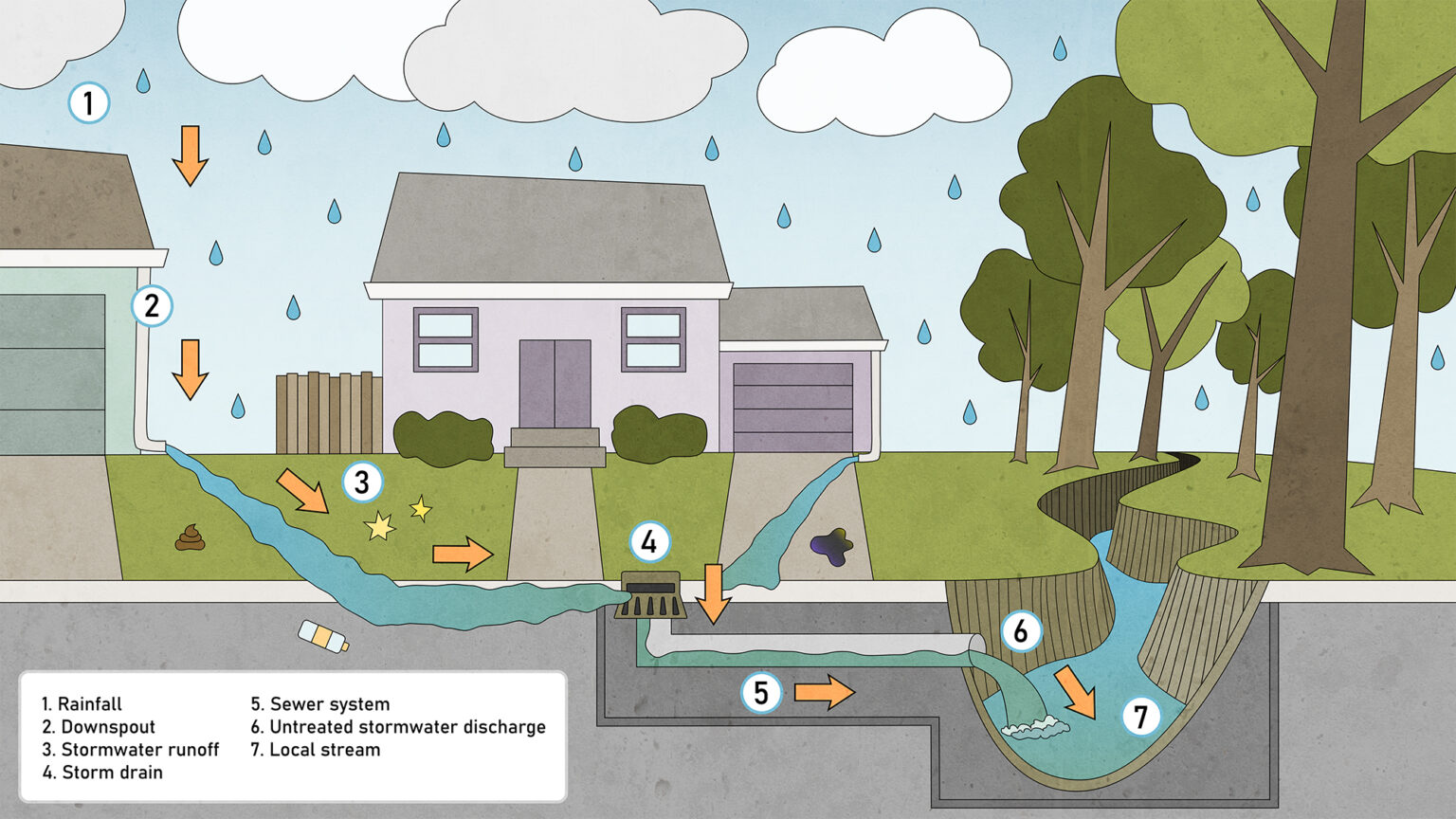
 Add a rain barrel to your downspout to collect rain to water your garden. Check out our rain barrels made from upcycled materials here.
 Rain gardens utilize native plants that like their feet wet help to turn low, wet spots in your yard into a beautiful garden.
 Green infrastructure, like permeable paver walkways, green roofs, and bioswales, aims to replicate natural systems that allow rain water to soak into the ground. We can incorporate green infrastructure at a few scales, from small home improvements to community-wide initiatives.
 Stormwater picks up pollutants as it flows across the landscape. We can help keep rain water clean (and the rivers it flows into) by reducing or cleaning up these pollutants. Lawn chemicals, pet waste, vehicle fluids, and road salt are a few examples of pollutants that contaminate stormwater.
 If you use any kind of lawn care product, organic or conventional, always follow label instructions for application rates. Be sure to sweep any excess off of driveways and sidewalks back into the lawn so it is not carried off by the next rain. Using a mulching mower returns grass clipping to your lawn as natural fertilizer and setting your mower to the high setting will help the grass grow thicker and not dry out so quickly.
 Landscape waste of any kind, grass clippings, branches or leaves, should never be piled or dumped in or along a waterway or into natural areas or buffers around ponds or along streams. Landscape waste releases excessive amounts of nutrients into the water as they decompose. Extra nutrients in the water accelerate the growth of algae and can cause an algal bloom—often looking like a mucky, bright green layer covering a pond or stream. An algal bloom depletes oxygen, harming aquatic life and disturbing the ecological balance of the entire stream ecosystem. Mulch, compost or participate in your community’s yard waste and branch pick-up to properly dispose of all yard waste.
 Whether in your back yard, in your neighborhood park or the trail in a preserve, pick-up and properly dispose of pet waste. Every Time, Everywhere. Pet waste can pollute local waterways, pass disease to wildlife and is just plain gross to see (or step on) left along a trail or in a park.
 While salt helps keep surfaces safe in the winter, it pollutes local waterways, damages vegetation and corrodes anything made of metal or concrete. We can all be Salt Smart this winter and follow these tips: Shovel first – clear as much snow and ice as possible; apply salt carefully only where you need it, a little goes a long way. If there is excess salt left after a storm, sweep it up and use it for the next storm. Learn more about what municipalities are doing to keep you safe and reduce their salt impact.